

History
Victor
Kullberg
Visby 1824 · London 1890
A watchmaker from a Baltic island who settled in Islington and spent forty years making marine chronometers, the instruments ships relied on to find their position at sea.
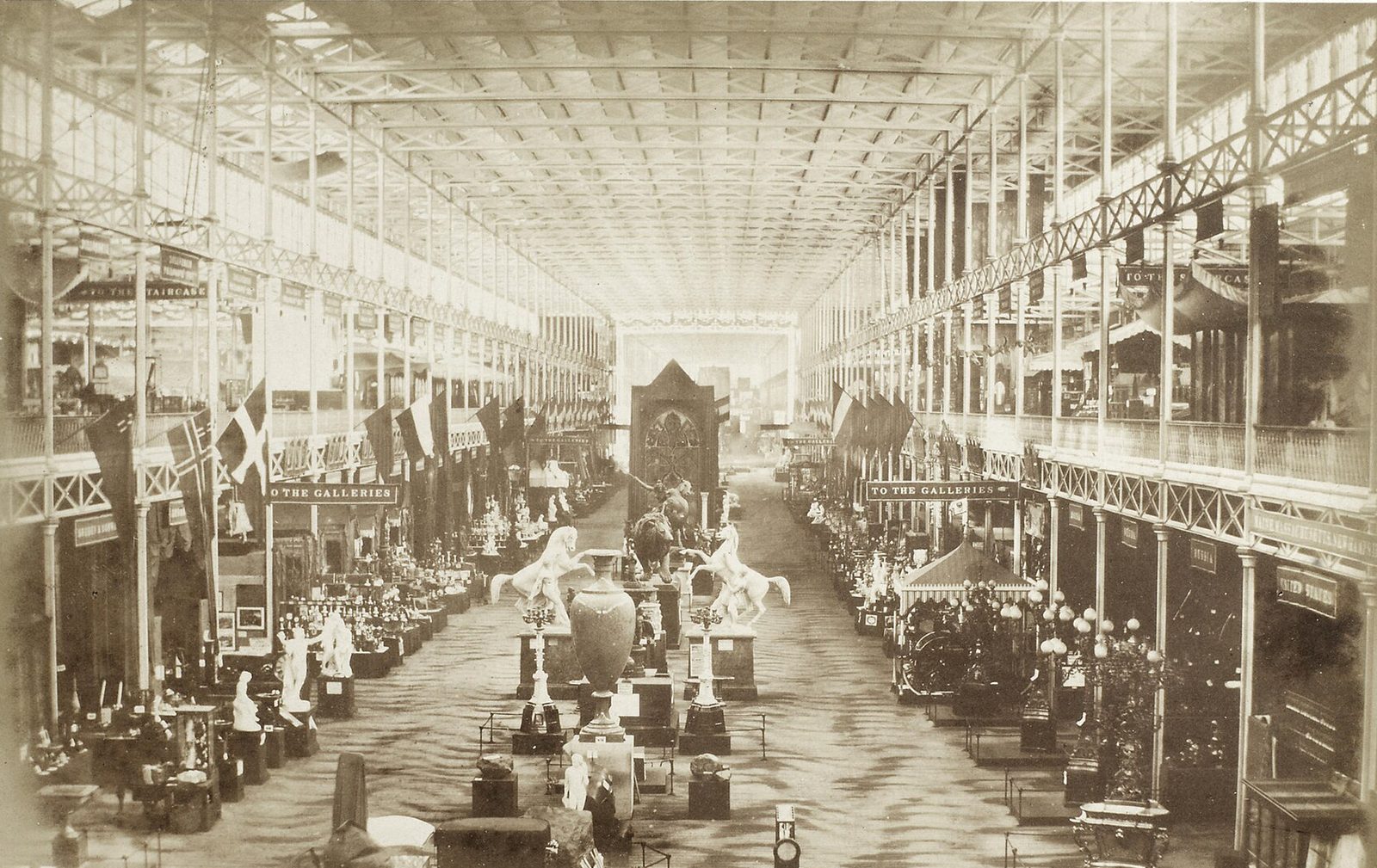
The Great Exhibition, eastern nave, 1851. Photograph: W. H. Fox Talbot
1824
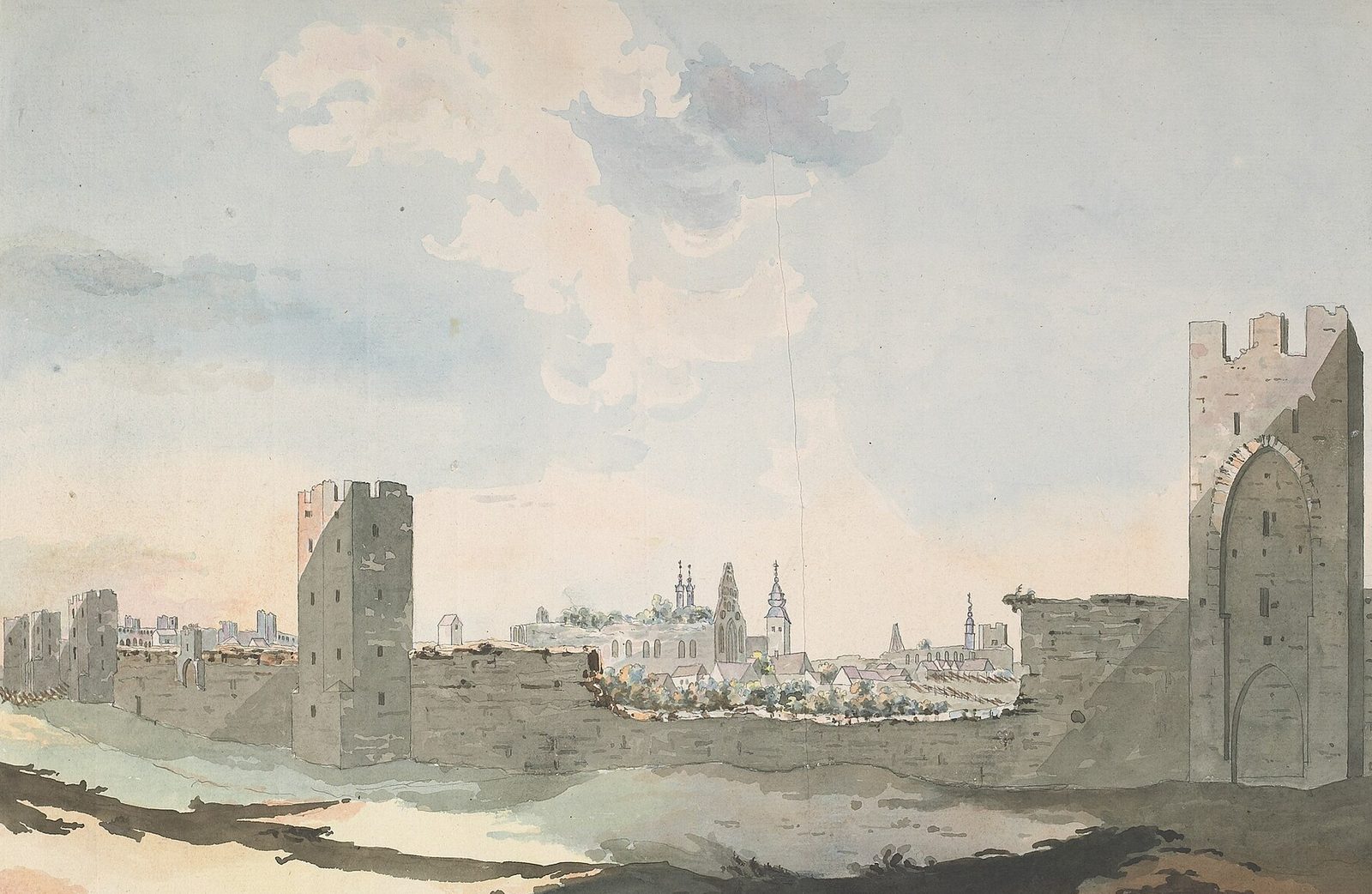
Visby, Gotland
An island apprenticeship
Victor Kullberg was born in Visby, on the Swedish island of Gotland, in 1824. He was apprenticed to a local watchmaker as a boy, then trained in Stockholm and worked in Copenhagen in the circle of the Jürgensen family, chronometer makers of the first rank.
1851
London
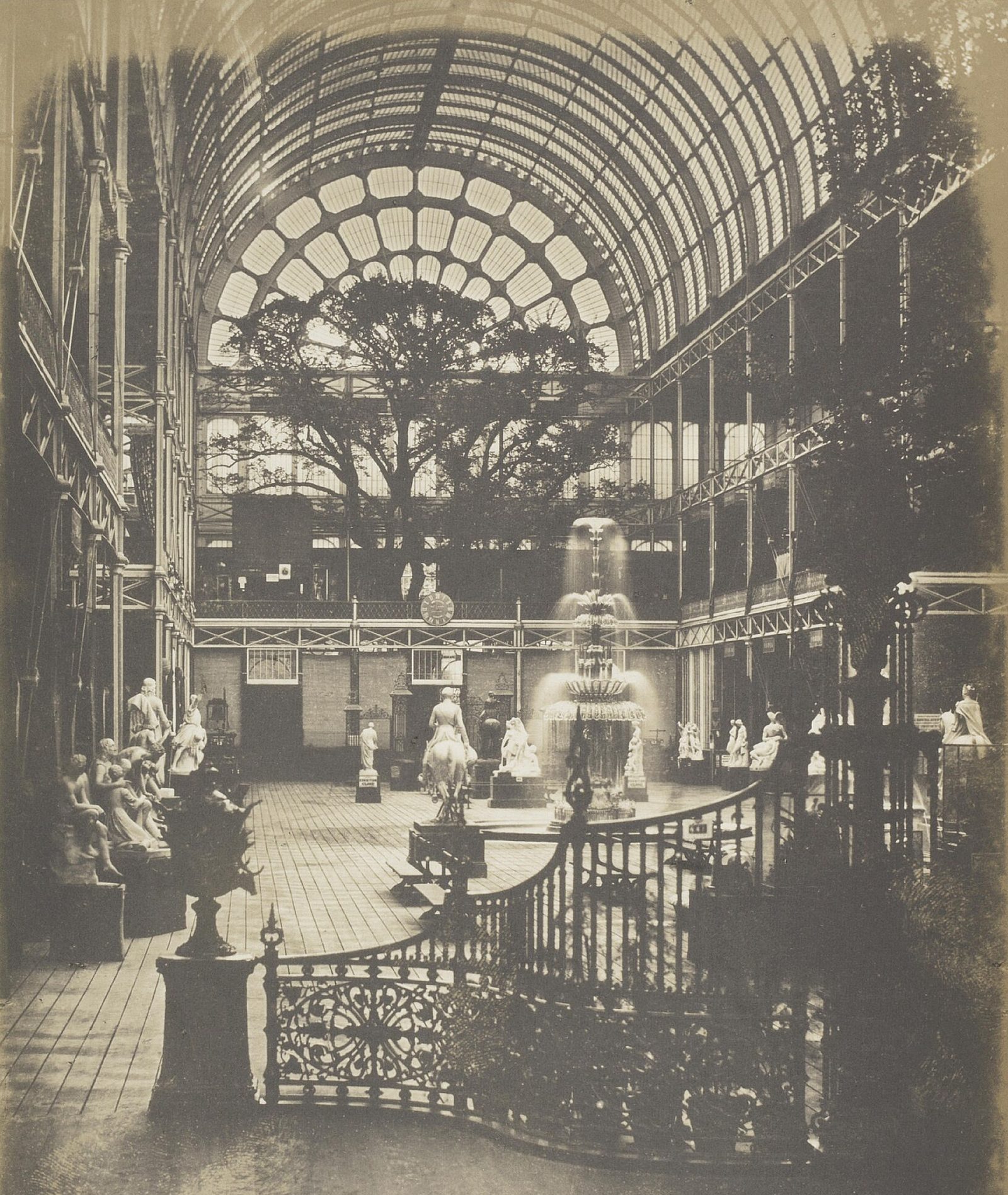
To London, for the Great Exhibition
He came to London in 1851, the year of the Great Exhibition, and stayed. By 1870 his workshop was established at 105 Liverpool Road, Islington, where it would remain for the rest of his life.
1864
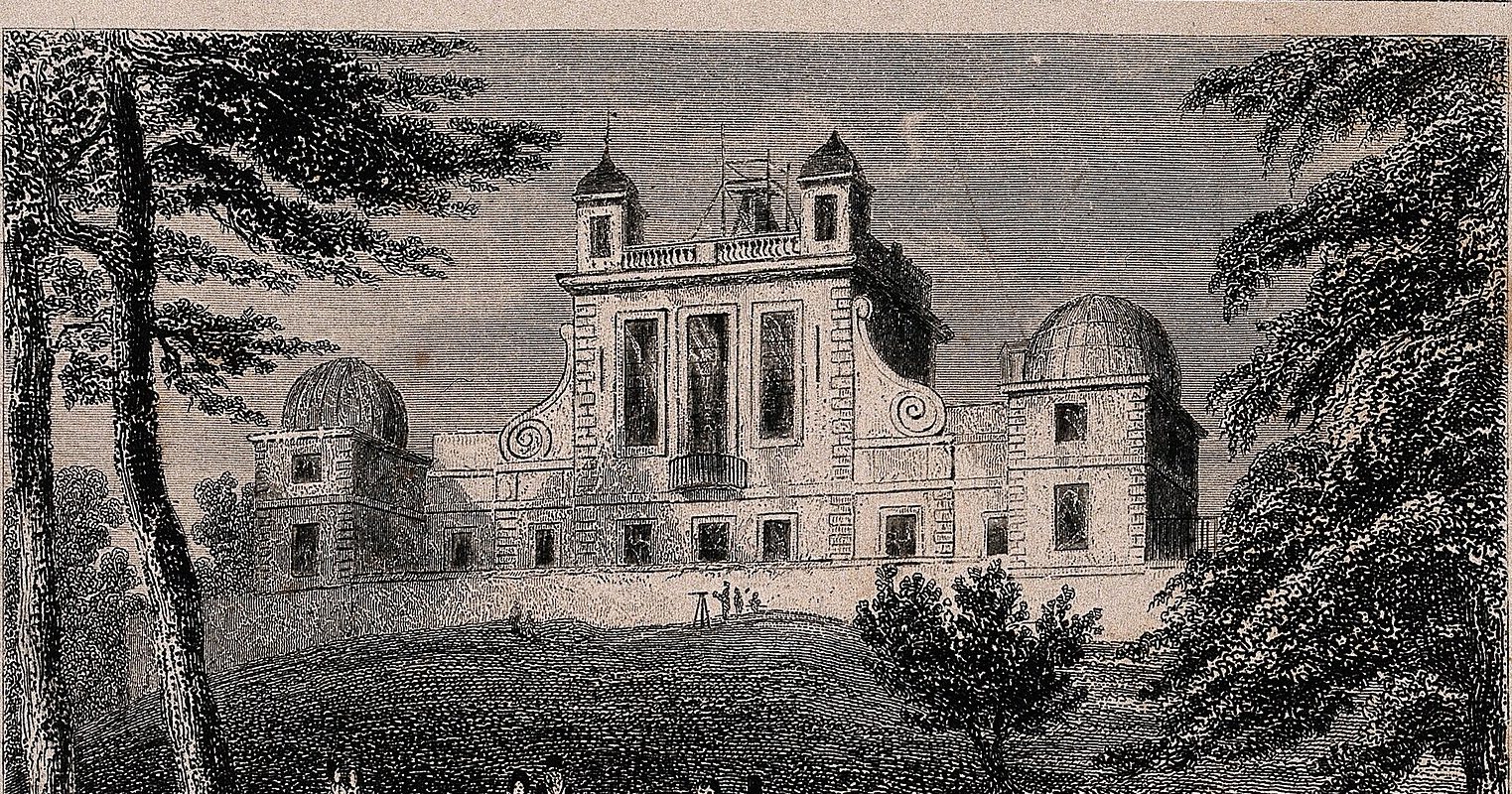
Royal Observatory, Greenwich
Tested at Greenwich
Each year the Royal Observatory put chronometers through months of trials in heat, cold and every position before the Admiralty would buy them. Kullberg entered regularly, and in 1864 took first place with a chronometer fitted with his new flat-rim balance.
His work turned on the compensation balance, the part that keeps a chronometer true as the temperature changes. He designed several, and even an automatic gas governor to hold the temperature of the Observatory's own testing ovens.
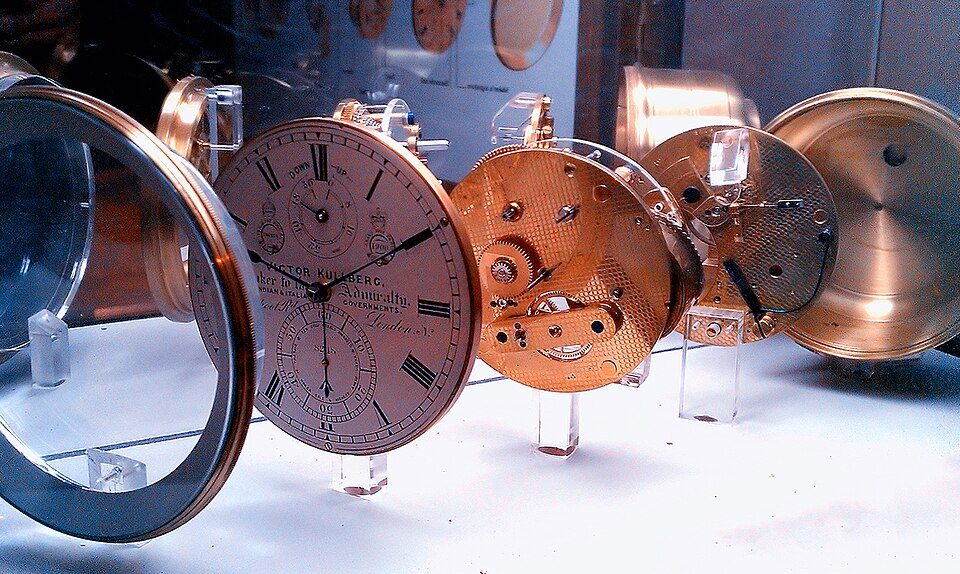
- 1851
- Begins work in London
- 1864
- First place in the Greenwich trials, with his flat-rim balance
- 500+
- Chronometers supplied to the Royal Navy
- 1947
- The firm trades under his name until this year
1890
Islington
A name carried on
By the time of his death in 1890 his chronometers were supplied to the Royal Navy and to foreign governments, and his instruments are held today by the Royal Museums Greenwich and the Science Museum. His successors kept the firm trading as Victor Kullberg until 1947.
The present house takes its name from his. Its watches are made to the standard his name stands for: accuracy first, and finish all the way through.
Sources
Image credits
- Great Exhibition nave and transept, 1851: W. H. Fox Talbot, public domain (source, source)
- Visby town wall: Swedish National Heritage Board, no known restrictions (source)
- Royal Observatory engraving: Wellcome Collection, CC BY 4.0 (source), cropped
- Kullberg chronometer: Andres Rueda, CC BY 2.0 (source)


.jpg)

